
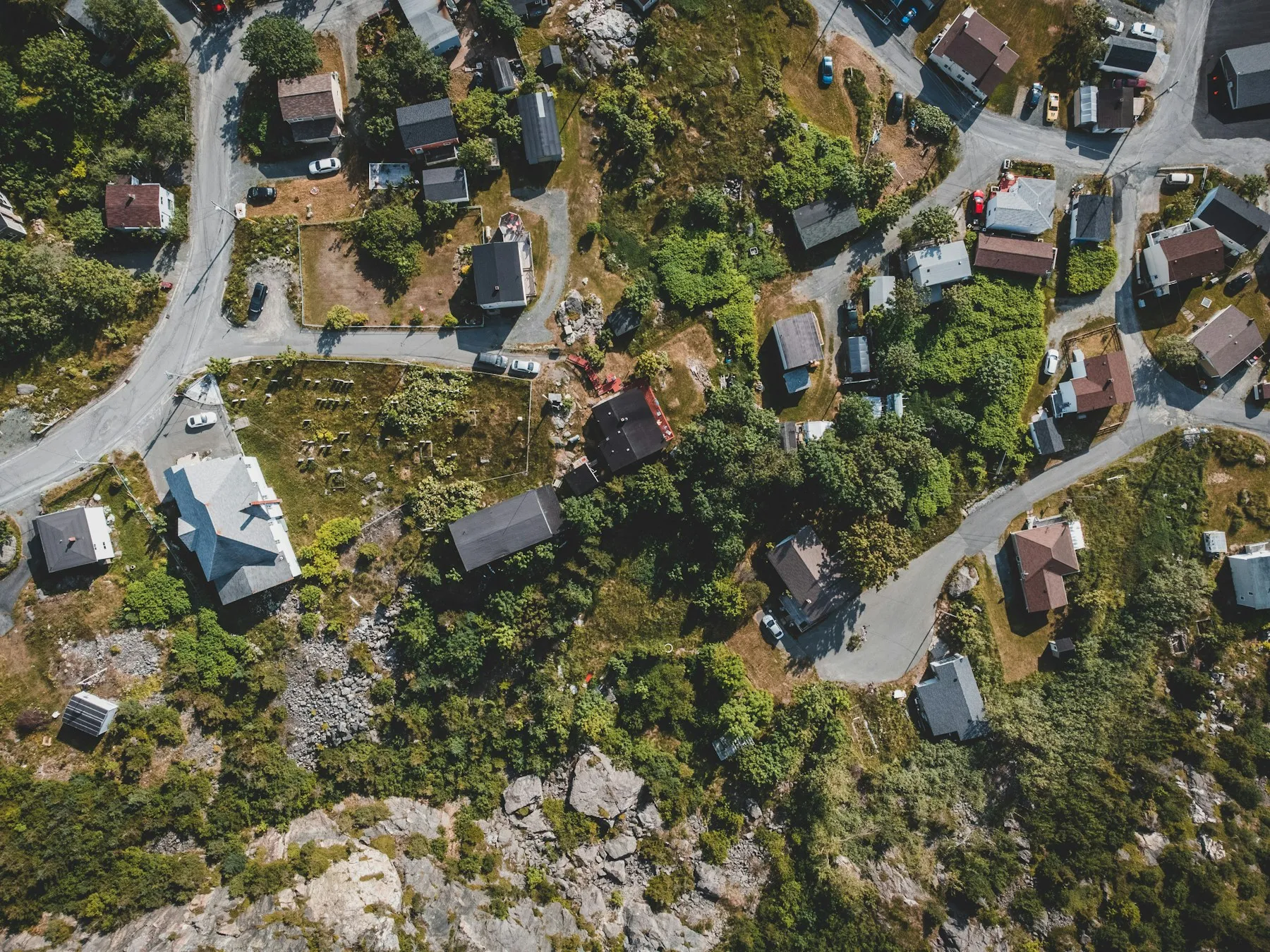
When homeowners ask for “cleanup,” they are often describing very different goals. Some need dense brush reduced near structures. Others need annual weed height managed. Others need broader lot cleanup before listing or development planning.
If your request language is vague, quote results become inconsistent. This guide helps you choose the right terms and submit a request that gets matched with the right scope.
Why terminology matters
Different terms can signal different work assumptions:
- Brush clearance often implies reduction of heavier growth, woody overgrowth, and continuity risks.
- Weed abatement often points to managing annual vegetation growth and broader fuel-height concerns.
- Lot clearing can imply wider cleanup goals that may include brush, weeds, and debris handling across larger areas.
These are practical descriptions, not legal definitions. Local agencies may use specific program language, so when referencing requirements, check official sources as of your project date.
Brush clearance: when this is usually the right ask
Ask for brush clearance when your highest-priority issue is thicker vegetation, overgrowth, or brush continuity, especially near structures, access routes, fence lines, and slope edges.
Common scenarios:
- Rear-slope growth has become dense and hard to access.
- Mixed woody growth is crowding access corridors.
- Structure-adjacent fuel loads are visibly increasing.
- A lot has not had consistent maintenance for multiple seasons.
If this sounds like your property, start with the Brush Clearance service page.
Weed abatement: when it is a better fit
Weed abatement is often the right framing when your main issue is widespread annual growth and fuel-height management across flatter or semi-open areas.
Common scenarios:
- Vacant lots with heavy seasonal growth.
- HOA common zones with repeated mowing/cutting needs.
- Properties where woody brush is limited but annual growth is extensive.
In practice, many projects are mixed. A single property may need weed-focused work in one zone and brush-focused work in another.
Lot clearing: when broader scope is needed
Lot clearing usually makes sense when your objective is comprehensive site prep rather than a single maintenance type.
Examples:
- Preparing a parcel for sale.
- Regaining baseline control after multiple seasons of neglect.
- Combining vegetation reduction with substantial debris removal.
- Creating a cleaner maintenance baseline for recurring service.
Because lot clearing can include many tasks, your request should clearly separate required items from optional items.
A practical way to choose the right term
Use this 5-question filter:
- Is your biggest issue dense woody growth? If yes, lead with brush clearance.
- Is your biggest issue seasonal weed height over broad area? If yes, lead with weed abatement.
- Do you need broad reset and debris handling across the whole parcel? If yes, include lot clearing language.
- Is work near structures your main concern? Include defensible space context.
- Do you need recurring maintenance after initial work? Say so in your first request.
This keeps your request outcome-oriented instead of jargon-heavy.
Scope combinations that are common in SCV
In Santa Clarita Valley, many jobs are hybrid scopes. For example:
- Brush reduction on rear slope + weed cutting on lower open zone.
- Defensible-space-adjacent clearing + haul-away for accumulated debris.
- Initial lot reset + scheduled maintenance follow-up.
When projects are hybrid, ask for estimates broken into sections so you can prioritize phases if budget or schedule is tight.
How to avoid apples-to-oranges quotes
Quote confusion usually comes from hidden assumptions. To compare accurately, ask each pro to confirm:
- Exact work areas included.
- Vegetation type assumptions.
- Debris handling approach.
- Equipment and access assumptions.
- Exclusions (especially hard-to-access sections).
A “lower” quote may simply omit major sections. A “higher” quote may include hauling and more complete scope.
Defensible space overlap: where homeowners get stuck
Homeowners often wonder whether they should request brush clearance or defensible space. The answer is often both, depending on location of fuels and scope objectives.
A practical workflow:
- Use Defensible Space when your focus is structure-adjacent zones and fuel separation strategy.
- Use Brush Clearance when dense growth reduction and broader parcel cleanup are needed.
- Include both in your request if your parcel has mixed needs.
That gives connected professionals better context for scope design.
Local context to include in your request
Santa Clarita area variation matters. Mention if your property is:
- Hillside-adjacent.
- Open-space-adjacent.
- Narrow-access tract lot.
- Large vacant parcel.
- HOA-managed common area.
Even one extra sentence about terrain can improve quote quality.
Sources and official references
If you are referencing inspection or requirement language, rely on official pages rather than social media summaries.
As of February 22, 2026, useful starting points include LA County Fire hazard reduction program resources and CAL FIRE defensible space guidance. Use those for baseline context, then define your own site scope in plain language.
Fast request template you can copy
Use this message template:
- Property type: residential / vacant lot / HOA / commercial.
- Primary need: brush clearance / weed abatement / lot clearing / mixed.
- Terrain: flat / moderate slope / steep / mixed.
- Access: easy / limited / difficult.
- Debris: haul-away needed? yes/no.
- Goal date: target scheduling window.
You can paste this into your contact request and save time.
Need help now? Call (661) 239-3064, text (661) 239-3064, or request a quote.
Bottom line
Choose terminology based on actual work goals:
- Brush clearance for dense overgrowth reduction.
- Weed abatement for broad seasonal fuel-height management.
- Lot clearing for broader site reset and cleanup.
Then write your request in concrete scope terms so estimates are easier to compare and schedule.
This post is informational and not legal advice. Always follow your local AHJ requirements.