
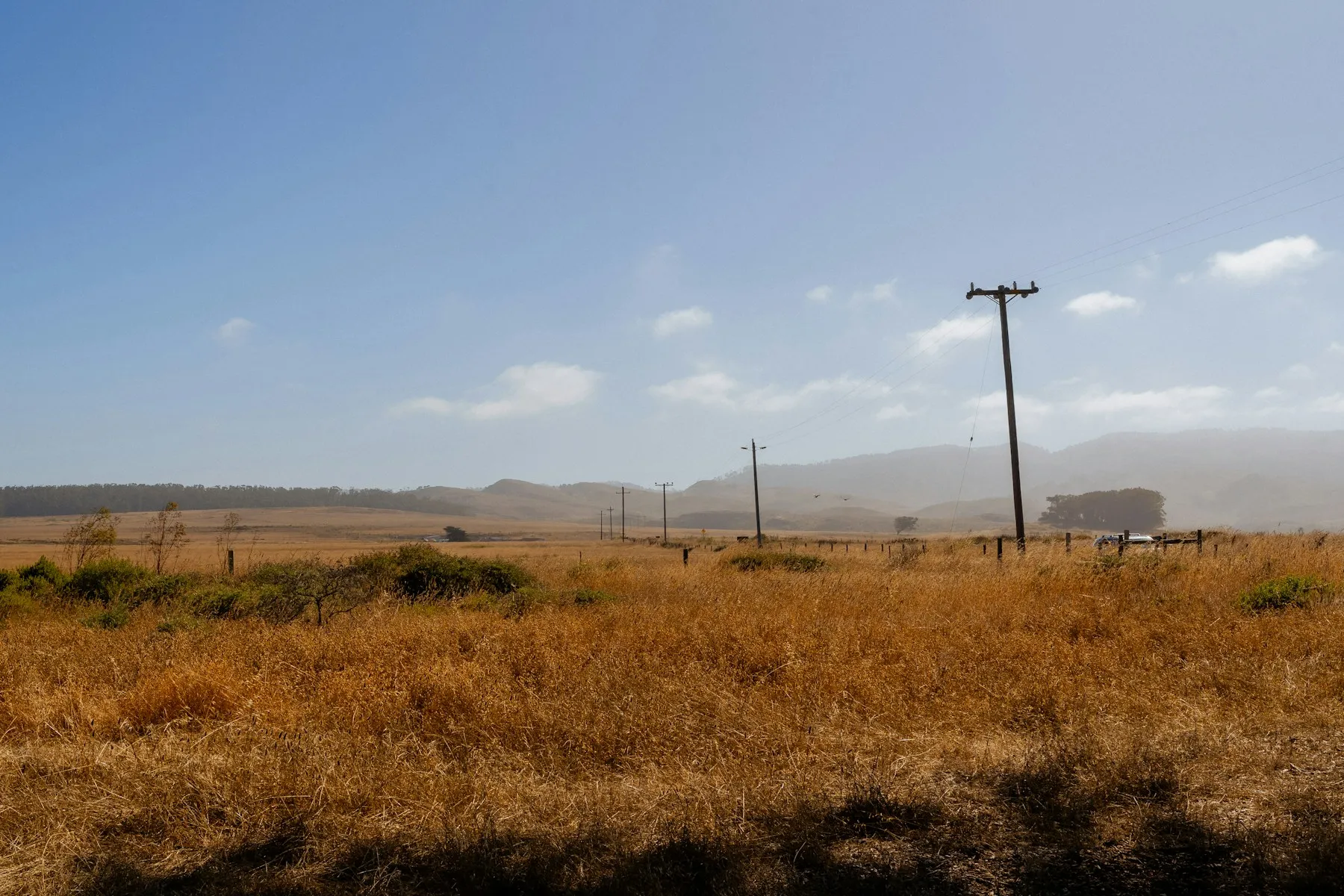
If you own a home in Santa Clarita Valley, you already know the terrain changes fast. One block can look like flat tract housing, and the next can back directly to slope, open space, or unmanaged brush. That is why defensible space planning is less about one-time cleanup and more about maintaining vegetation zones around structures.
As of February 25, 2026, the best practice is to rely on official statewide and county guidance, then apply it to your specific parcel layout, plant mix, and access conditions. This guide is written for practical action, not generic theory.
Start with zone-based planning, not random trimming
A common mistake is to “clean up what looks overgrown” without a zone strategy. You can spend money and still miss priority areas.
A better approach is to review your property by zones:
- Immediate structure-adjacent area.
- Intermediate zone where fuels are reduced and spaced.
- Extended area where continuity and ladder fuels are managed.
This matches how official programs describe defensible space. The exact expectations can change over time, so check the linked official pages before making major decisions or signing a scope.
Zone 0: Immediate structure edge
Zone 0 is usually the most sensitive area because it is the closest to your home. Homeowners often focus only on big brush in the yard, but ignition risk can also come from smaller materials right against structures.
Practical actions many homeowners consider:
- Remove dead leaves and debris from immediate structure-adjacent surfaces.
- Keep combustible storage away from direct contact areas.
- Trim or remove plants that create continuous fuel right next to the structure.
- Check transitions around gates, fences, and outbuildings where debris collects.
In Santa Clarita neighborhoods with tighter lot lines, this zone can be narrow but still important. In hillside communities, this edge zone can include retaining-wall interfaces and side-yard channels where dry material accumulates.
Zone 1: Near-home fuel reduction and spacing
Zone 1 is where many owners get the biggest practical improvement for visibility, access, and fuel reduction. This does not mean clear-cutting everything. It means reducing fuel continuity and keeping vegetation maintained.
Checklist you can use before requesting quotes:
- Identify dense clusters of brush near structures.
- Flag dead or dying vegetation for removal first.
- Note branches that overhang roof or touch structures.
- Record access limits that affect crew productivity.
- Mark areas where haul-away is required versus onsite staging.
When you request estimates, include these notes. It helps connected professionals build comparable scopes instead of giving vague “cleanup” pricing.
Zone 2: Extended area management
Zone 2 planning depends heavily on parcel size, slope, and natural vegetation type. For larger lots or open-space-adjacent properties, this zone is often where scope expands quickly.
Practical Zone 2 planning usually includes:
- Reducing continuous fuel paths along slope runs.
- Managing ladder fuels that connect ground vegetation to taller growth.
- Creating safer access paths for ongoing maintenance.
- Planning realistic maintenance cycles instead of one-time heavy cuts.
If your parcel transitions into wildland edge conditions, this is where local context matters most. A referral request should mention whether the property borders undeveloped space, utility corridors, or unmanaged edges.
How to scope work without overpromising outcomes
The most useful homeowner mindset is: request a clear scope, not guaranteed outcomes. Conditions, growth rates, and weather are variable.
A strong scope request usually includes:
- Lot size estimate or parcel map reference.
- Slope notes (flat, moderate, steep).
- Equipment access limitations.
- Debris plan: chip, stack, or haul-away.
- Timing preference and urgency.
You can submit this through the Defensible Space page or Brush Clearance page, then compare how each pro defines included tasks.
Santa Clarita-specific realities to include in your request
Across Santa Clarita, Valencia, Newhall, Canyon Country, Saugus, and Stevenson Ranch, one repeated issue is mismatch between homeowner expectation and site conditions. A property that appears “small” from the street can still have complex rear slope work, limited gate access, or heavy seasonal growth.
To reduce back-and-forth:
- Include photos from multiple angles.
- Mention rear-yard slope width and drop.
- State if trucks can park near work zones.
- Note HOA constraints where applicable.
- Mention whether you need recurring service or one-time reduction.
If you are in or near Santa Clarita, giving that local context in the first request can improve quote accuracy and scheduling.
Inspection context: stay current through official pages
If you mention “requirements,” “inspection notices,” or “compliance deadlines,” always check official sources first. Program details can change and can vary by jurisdiction.
As of February 25, 2026, start with:
- CAL FIRE defensible space guidance.
- California Board of Forestry zone references.
- LA County Fire hazard reduction program page.
Then align your scope with what the professional sees onsite.
A practical 7-step homeowner workflow
Use this simple workflow before hiring:
- Review zone concepts on official pages.
- Walk your parcel and take 10 to 20 photos.
- Note access constraints and debris handling needs.
- Identify near-structure priorities first.
- Submit a detailed quote request.
- Compare scopes line by line, not just total price.
- Schedule maintenance follow-up, not just one cleanup.
This process helps avoid paying twice for missed items.
What a referral service does in this process
This website is not a contractor. It is a referral/marketing service that routes requests to independent local professionals. That matters because final methods, scheduling windows, and pricing are set by the professional who accepts your project.
Your best move is to submit clear project details, then ask for explicit scope language in writing.
Need help now? Call (661) 239-3064, text (661) 239-3064, or request a quote.
Quick recap
Zone-based defensible space planning is the fastest way to move from “I should probably clean this up” to an actionable scope that can be priced and scheduled. For Santa Clarita homeowners, the key is balancing structure-adjacent priorities with slope and access realities.
Use official guidance as your baseline, describe your property clearly, and compare scope details before committing.
This post is informational and not legal advice. Always follow your local AHJ requirements.